Vibration, Strain, Torsional, and Structural Analysis for rotating and reciprocating machinery — delivering advanced diagnostics and reliability services for the problems that are hard to find and expensive to ignore.
Vibration Analysis
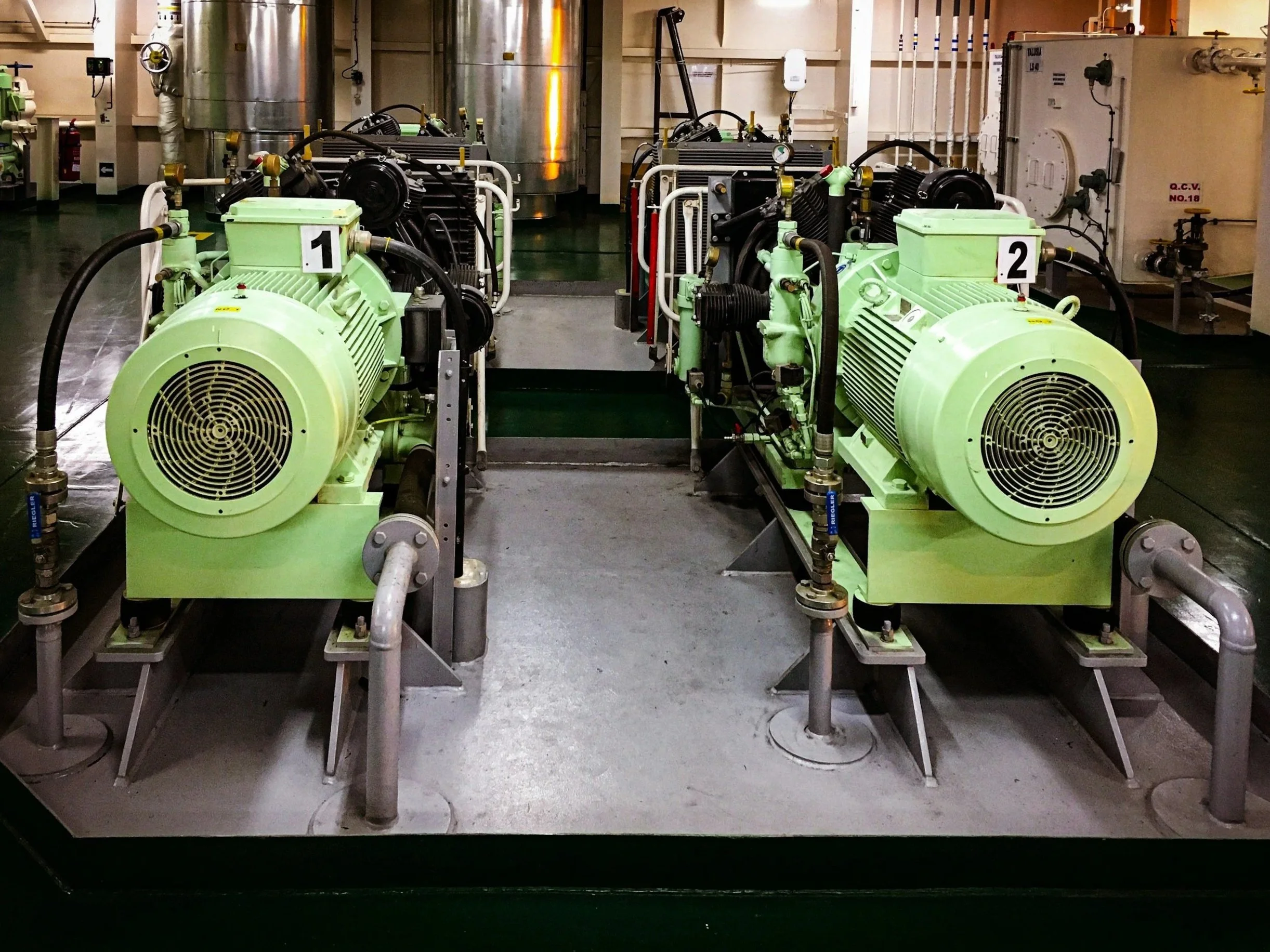
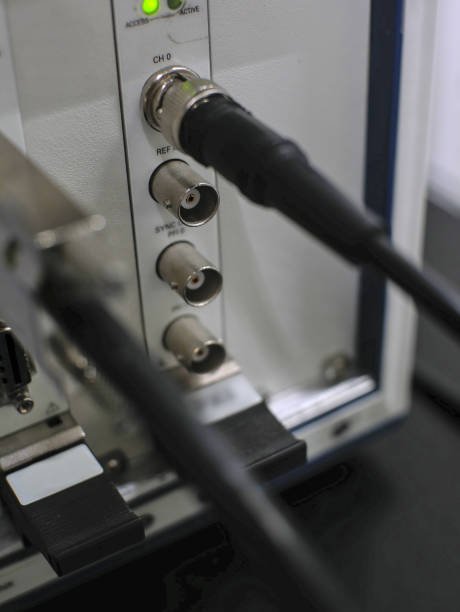
We measure and analyze machinery vibrations to identify faults before they cause failures. Using sensors and specialized equipment, we assess frequency, amplitude, and vibration characteristics to detect abnormalities early — supporting predictive maintenance, condition monitoring, and fault detection across manufacturing, energy, transportation, and construction.
In-Field Balancing
Getting started is simple. Reach out through our contact form or schedule a call—we’ll walk you through the next steps and answer any questions along the way.
Condition Monitoring
We provide continuous vibration monitoring to track machinery health over time. By comparing live data against historical baselines and established standards, we identify developing problems early — reducing unplanned downtime and maintenance costs before a minor issue becomes a failure.
Reliability Program Service
We design and implement structured vibration reliability programs tailored to your operation. This includes scheduled vibration monitoring, data trend analysis, condition-based maintenance planning, and root cause investigation — giving you a systematic, proactive approach to equipment health and long-term reliability.
Commissioning & Start-Up
We design and implement structured vibration reliability programs tailored to your operation. This includes scheduled vibration monitoring, data trend analysis, condition-based maintenance planning, and root cause investigation — giving you a systematic, proactive approach to equipment health and long-term reliability.
Torsional Analysis
We assess how structures and rotating systems respond to twisting forces. Using mathematical modeling and simulation, we calculate torsional stress and strain in systems such as drive shafts, turbines, and compressor trains — validating designs and identifying potential resonance or fatigue concerns.
Stress & Strain Survey
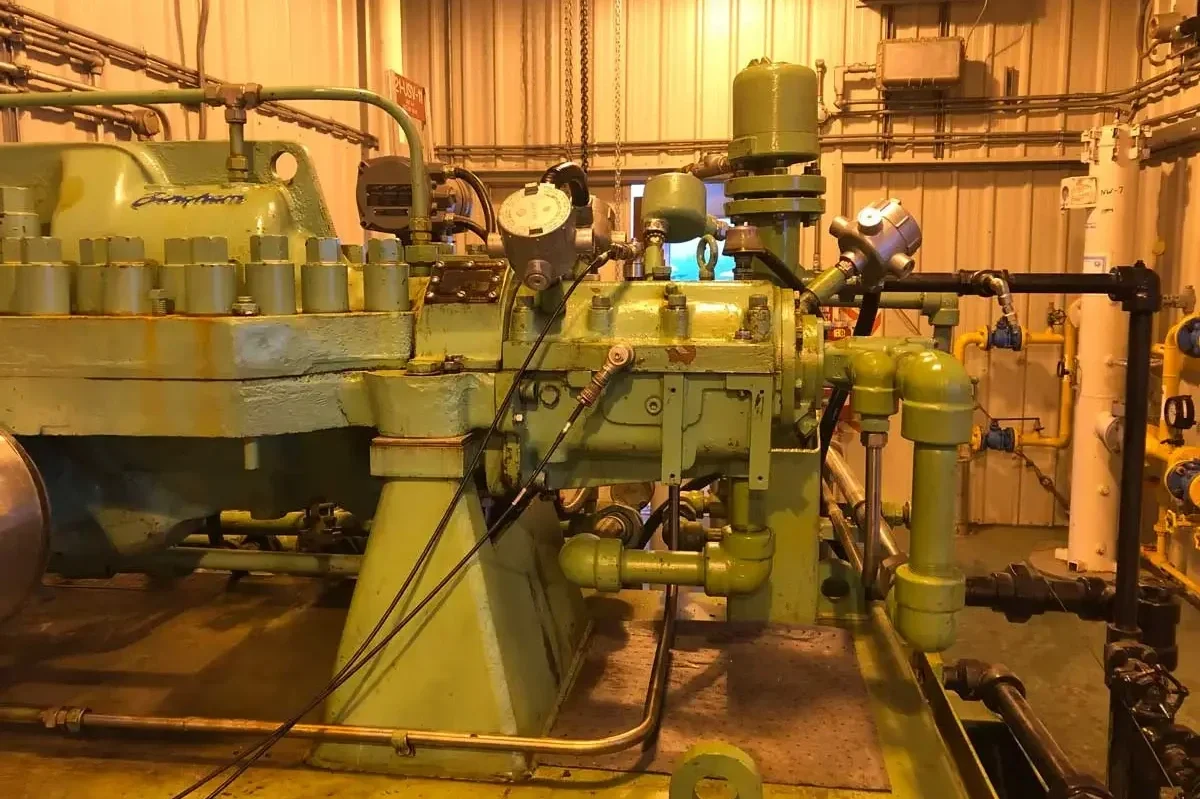
We measure vibration and strain levels across structures and mechanical systems using accelerometers and strain gauges. This identifies high-stress areas that may not be visible during routine inspection, and the results are used to optimize design, improve performance, and reduce the risk of fatigue or failure.
Structural Dynamics
We analyze how structures respond to dynamic loads — including wind, seismic activity, and machinery-induced vibration. Our work covers natural frequency identification, mode shape analysis, and damping assessment, helping engineers design structures that remain stable and safe under real operating conditions.
Operating Deflection Shape
(ODS) Analysis
ODS analysis captures how a structure or machine actually moves under normal operating conditions. By measuring vibration at multiple points simultaneously, we visualize deflection patterns that reveal the root cause of resonance, fatigue, or structural weakness — and develop targeted solutions to address them.
Modal Analysis
Modal analysis identifies the natural frequencies, damping ratios, and mode shapes of a structure or mechanical system. This tells engineers how the system will respond to external forces such as machine vibration, wind, or shock — and informs design changes that improve durability and dynamic performance.
Rotor Vibration Analysis
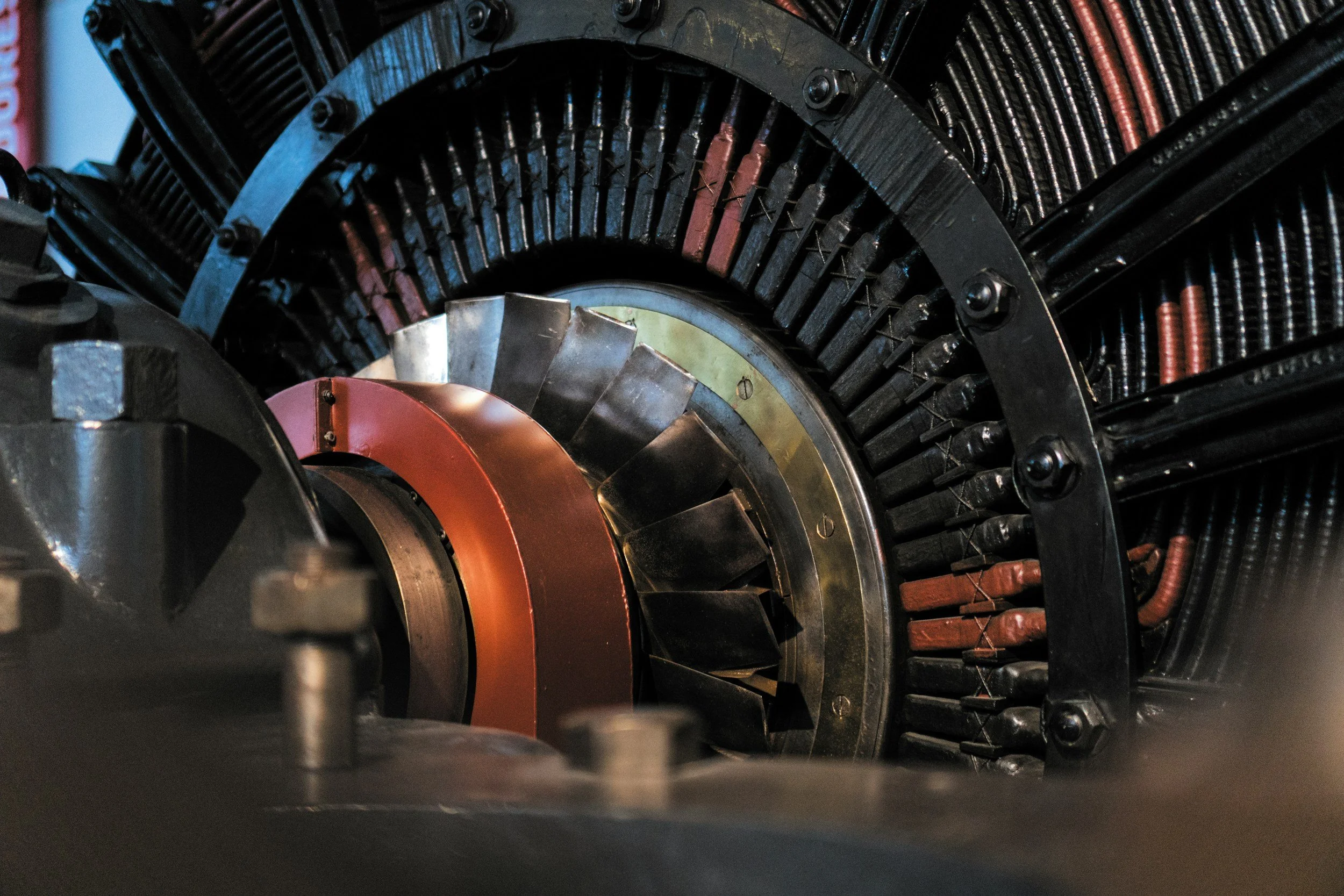
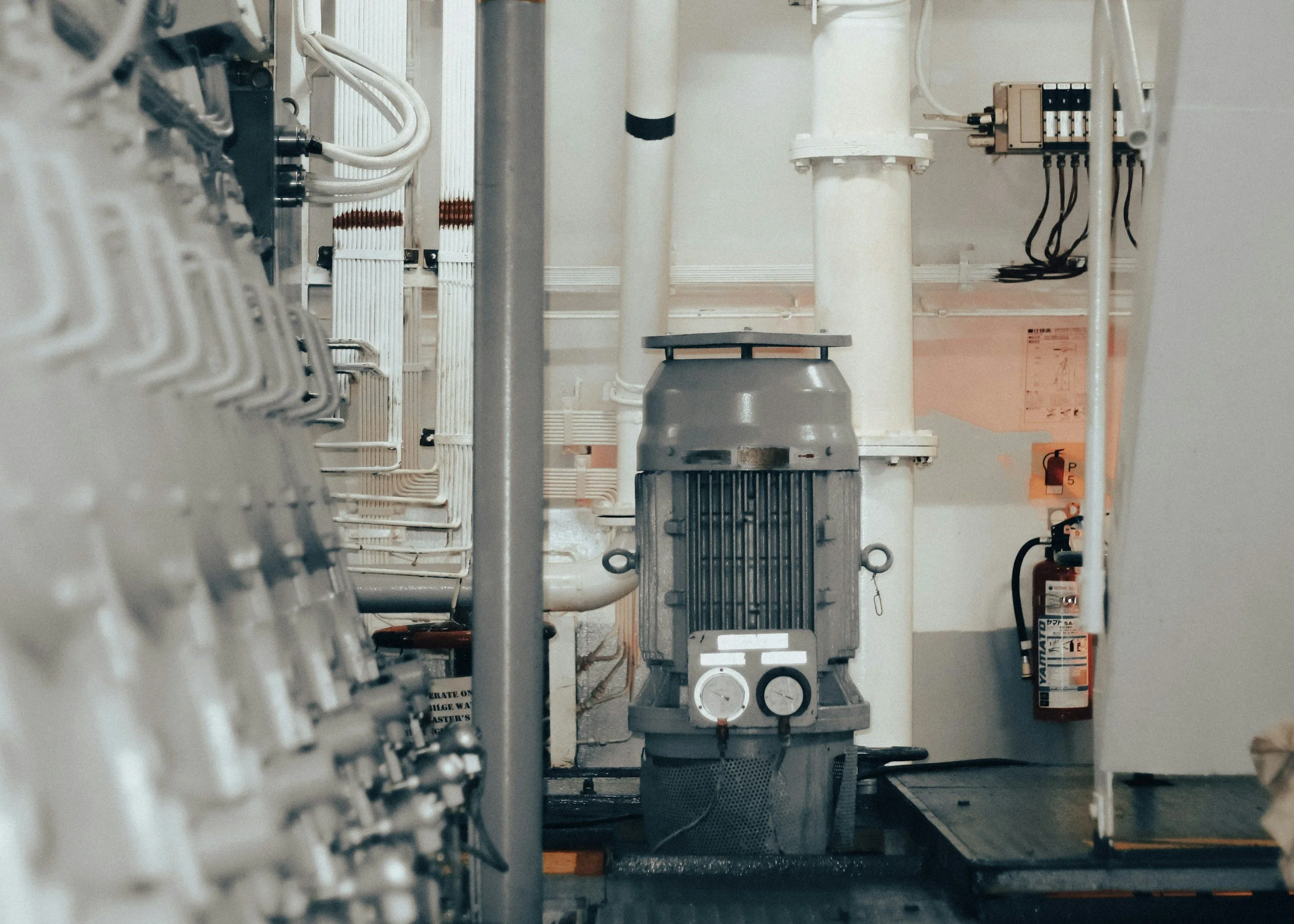
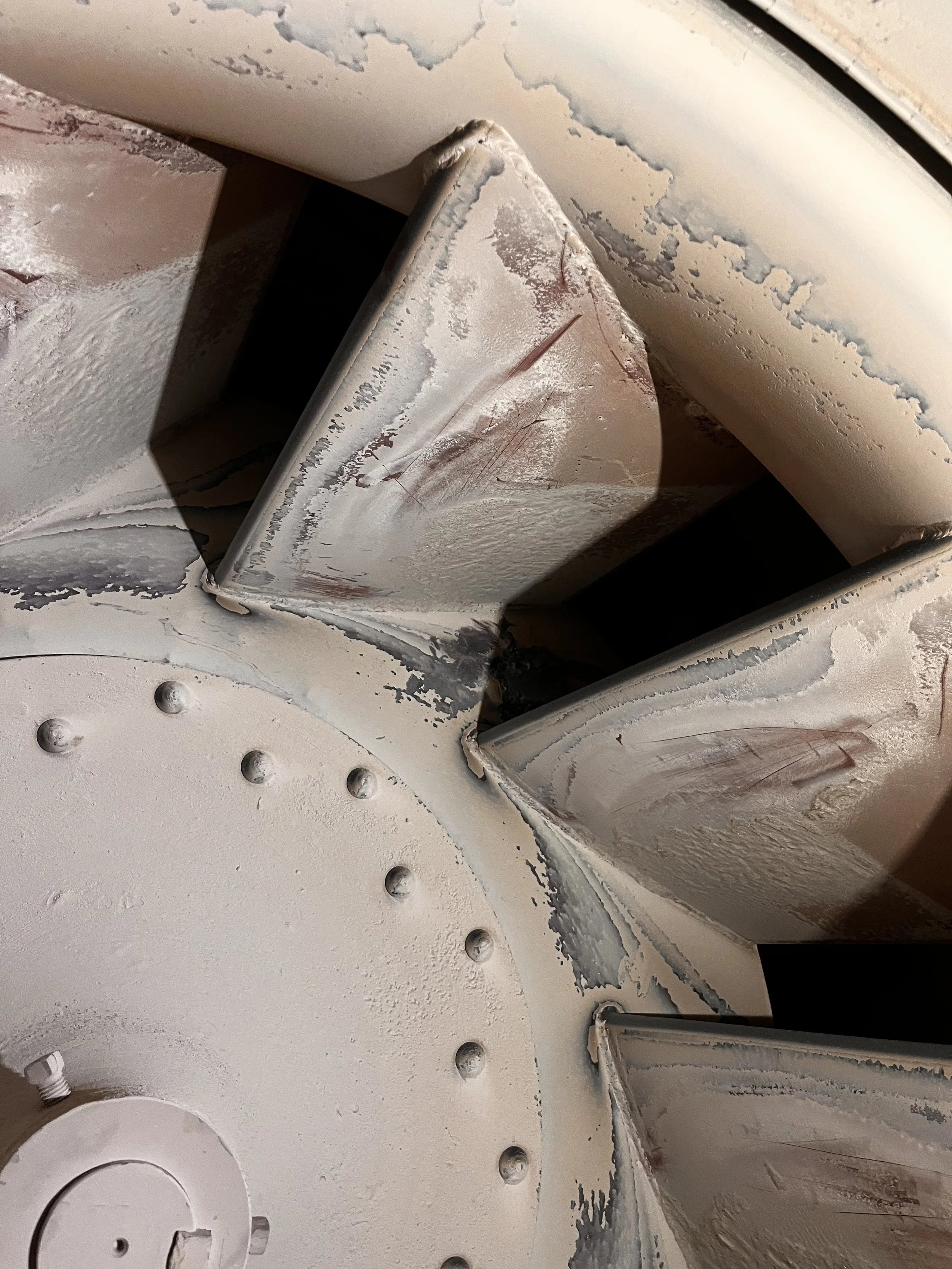
We measure and analyze vibration in high-speed rotating machinery including turbines, motors, and pumps. Using sensors and dynamic modeling, we identify the forces driving vibration, optimize operating conditions, and reduce the risk of wear, performance loss, or catastrophic failure in critical rotating equipment.
Ground-Borne Vibration
Measurement
We measure ground-borne vibration from construction, blasting, traffic, and industrial activity using seismometers and accelerometers. Key parameters — including peak particle velocity (PPV), frequency, and duration — are recorded and analyzed to assess potential impact on nearby structures and ensure compliance with applicable standards.
Piping Pulsation Analysis
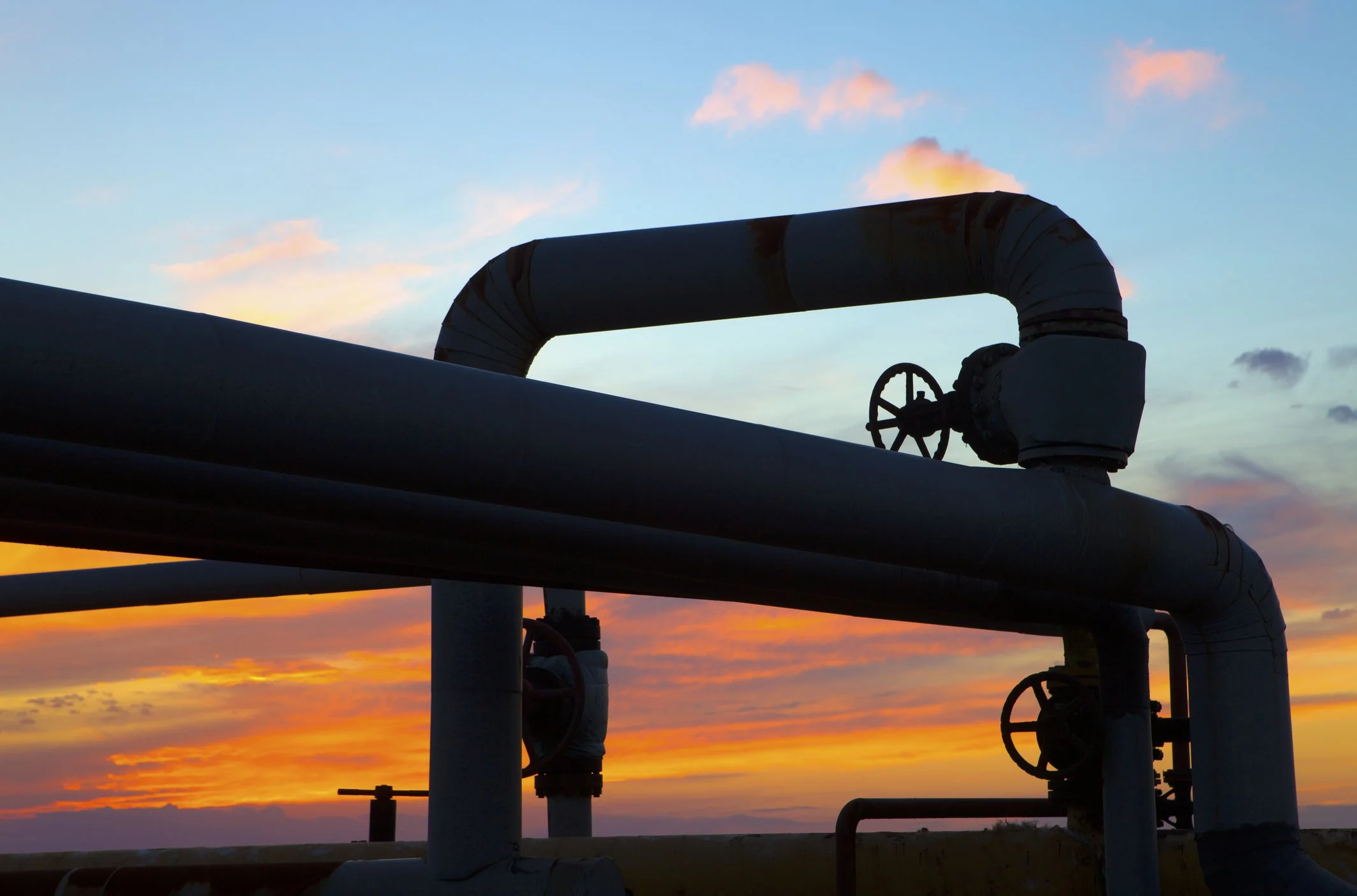
We identify and evaluate pressure pulsations in piping systems caused by pumps, compressors, and flow control devices. Using dynamic modeling, we assess their impact on system integrity and recommend design changes or mitigation measures — particularly critical in oil and gas, chemical processing, and power generation.
Reciprocating System Analysis
We analyze the dynamic behavior of reciprocating systems such as piston-cylinder assemblies, compressors, and pumps. Mathematical modeling identifies sources of vibration, noise, and mechanical wear — supporting design optimization and reliable operation in demanding high-load, high-pressure environments.